
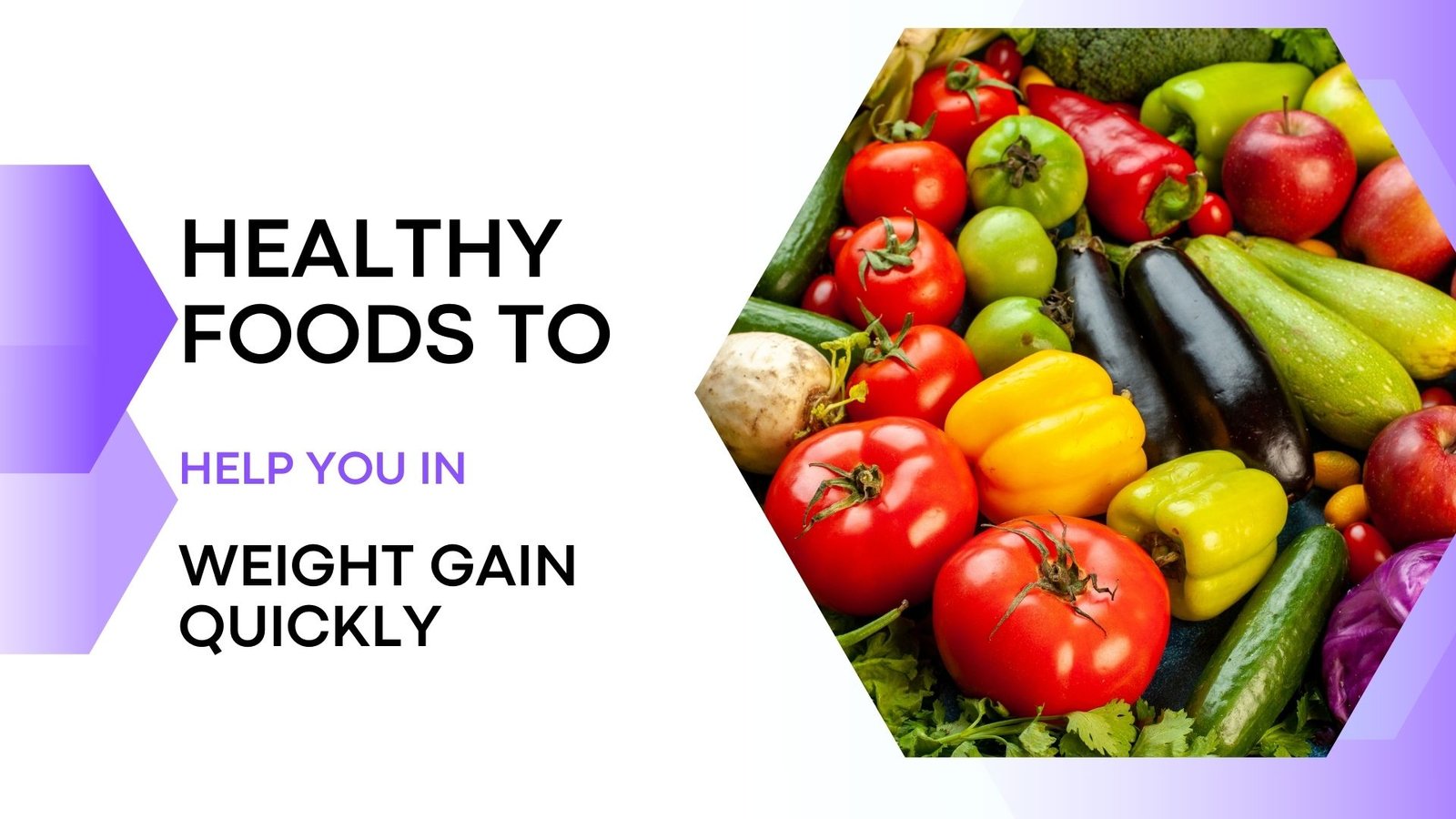
Healthy foods to gain weight can help people increase their calorie intake while still getting the protein, healthy fats, vitamins, and minerals their body needs. For some people, gaining weight can be just as challenging as losing it, especially if they are underweight, have a high metabolism, are recovering from an illness, or have a poor appetite.
The goal is not to depend on junk food or overeat without considering nutrition. Instead, choosing nutrient-dense and calorie-rich foods can support healthy weight gain while providing the nutrients needed for energy, muscle development, and overall well-being.
In this guide, we’ll explore common reasons for difficulty gaining weight and share practical breakfast, lunch, snack, and dinner ideas to help you increase your calorie intake naturally.
Why Is It Difficult to Gain Weight?
Before changing your diet, it is useful to understand why gaining weight may be difficult. Body weight can be influenced by genetics, eating habits, physical activity, lifestyle, and overall health.
Some common reasons include:
- Genetics: Some people naturally have a faster metabolism or body type that makes it harder to gain weight.
- Low calorie intake: Skipping meals or eating smaller portions may prevent you from consuming enough energy.
- Poor food choices: A diet lacking protein, healthy fats, and complex carbohydrates may not provide enough nutrients.
- Digestive or medical conditions: Thyroid problems, digestive disorders, malabsorption, and chronic illnesses can affect appetite or nutrient absorption.
- High physical activity: Intense exercise or physically demanding work can increase daily calorie requirements.
- Stress and lifestyle habits: Stress, poor sleep, and irregular eating patterns can sometimes reduce appetite.
If you experience unexplained weight loss or have difficulty maintaining a healthy body weight, speak with a healthcare professional.
What Makes Foods Good for Healthy Weight Gain?
The best choices are not simply foods with the highest number of calories. A balanced diet should provide calories along with essential nutrients.
When choosing foods, look for a combination of:
- Protein to support muscle repair and development
- Healthy fats to increase calorie intake
- Complex carbohydrates to provide energy
- Fruits and vegetables for vitamins, minerals, and fiber
- Dairy or suitable alternatives for protein and calcium
Nuts, seeds, paneer, dairy products, legumes, whole grains, potatoes, avocados, and nut butters can all be useful additions to a balanced diet.
Healthy Foods to Gain Weight for Breakfast
Breakfast is an excellent opportunity to add nutritious calories to your day. Combining carbohydrates, protein, and healthy fats can make your first meal more filling and balanced.
Here are some healthy breakfast options:
- Whole-grain dosa or chilla with ghee: Moong dal or pesarattu provides protein, while ghee adds healthy fats and calories.
- Paneer paratha with curd: A protein-rich combination that provides carbohydrates, protein, and fats.
- Poha with peanuts and vegetables: Peanuts and potatoes can increase the calorie and nutrient content.
- Vegetable upma with nuts: Semolina provides carbohydrates, while nuts add healthy fats and protein.
- Banana smoothie with full-fat milk and nuts: A convenient option for people who find it difficult to eat large meals.
- Multigrain porridge or sattu drink: Provides carbohydrates and protein for sustained energy.
If your appetite is low, smoothies and milk-based drinks can be an easy way to add nutrients without making meals feel too large.
Protein-Rich Foods for Lunch
Lunch should provide a balanced combination of carbohydrates, protein, vegetables, and healthy fats. Protein is especially important when you want to support muscle development while increasing your calorie intake.
Some nutritious lunch combinations include:
- Chapati with ghee, dal, vegetables, and curd
- Rice with dal, poriyal, and curd
- Paneer, potato, or dal paratha with raita
- Vegetable pulao with tofu or paneer
- Rajma, chole, or green gram with rice or chapati
- Potatoes, sweet potatoes, yams, or arbi as carbohydrate-rich sides
Adding paneer, curd, eggs, tofu, legumes, nuts, or seeds can increase the protein content of a simple meal.
Healthy Snacks to Add More Calories
Snacks can help increase your daily calorie intake without making your main meals excessively large. Choose nutritious snacks instead of relying on processed foods, sweets, or sugary drinks.
Try these options:
- Banana, mango, or avocado milkshakes
- Whole-grain bread with peanut or almond butter
- Sattu porridge or a sattu drink
- Dahi chaat with potatoes or legumes
- Smoothies with nuts, seeds, and dates
- Boiled bananas with a small amount of ghee
- Sprouts with buttermilk
- A handful of mixed nuts and dried fruit
These healthy foods to gain weight can be added between meals to increase your overall calorie intake without making you feel excessively full.
Best Vegetables to Include in Your Diet
Vegetables are important for a balanced diet because they provide vitamins, minerals, fiber, and other nutrients. Some vegetables can also provide a useful amount of carbohydrates and energy.
Consider adding:
- Potatoes – Provide carbohydrates and can be prepared with healthy fats.
- Sweet potatoes – Rich in complex carbohydrates, fiber, and vitamins.
- Avocados – High in healthy fats and calories.
- Corn – Provides carbohydrates and energy.
- Green peas – Contain protein, carbohydrates, and fiber.
- Beetroot – Provides carbohydrates, fiber, and essential nutrients.
- Carrots – Rich in beta-carotene and other nutrients.
- Pumpkin – Provides carbohydrates, fiber, and minerals.
- Beans – Kidney beans and black beans provide protein, carbohydrates, and fiber.
For a more balanced meal, combine vegetables with protein sources, grains, dairy products, or healthy fats.
Nutritious Dinner Ideas
Dinner should provide enough nutrients to support your daily calorie intake without leaving you unnecessarily uncomfortable or overly full.
Some simple options include:
- Chapati or rice with vegetable curry and paneer
- Rice with fish or lean meat curry
- Idli, dosa, or upma with chutney and suitable sides
- Vegetable khichdi with dal and ghee
- Rice with dal, vegetables, and curd
- Tofu or paneer curry with chapati
- Warm milk with banana before bed
The goal is to maintain a balanced intake throughout the day rather than depending on one very large dinner.
How to Increase Calories Without Eating Junk Food
For additional guidance, the NHS healthy ways to gain weight guide recommends gradually increasing calorie intake and choosing nutritious foods rather than relying mainly on foods with little nutritional value.
Try these simple strategies:
- Add nuts and seeds to porridge, smoothies, and salads.
- Use nut butter with whole-grain bread or fruit.
- Add ghee or healthy oils to suitable meals.
- Include paneer, curd, tofu, eggs, or legumes for additional protein.
- Choose full-fat dairy products if appropriate for you.
- Add dried fruits and dates to snacks and smoothies.
- Eat smaller meals more frequently if large portions are difficult to finish.
For additional guidance, the NHS recommends gradually increasing calorie intake and choosing nutritious foods rather than relying mainly on foods with little nutritional value.
Can Exercise Help With Healthy Weight Gain?
Exercise can be useful when combined with an appropriate diet. Strength or resistance training can help support muscle development rather than relying only on an increase in body fat.
Activities may include:
- Bodyweight exercises
- Resistance-band exercises
- Weight training
- Squats
- Push-ups
- Other resistance exercises appropriate for your fitness level
Make sure you are eating enough protein and calories to support recovery and your activity level.
When Should You See a Doctor?
Difficulty gaining weight is not always related to food intake. If you are losing weight without trying, have a persistent lack of appetite, experience digestive problems, or cannot maintain a healthy body weight despite eating regularly, speak with a doctor or qualified dietitian.
An unexplained change in weight can sometimes be associated with an underlying medical condition. Identifying the cause is important before making major changes to your diet.
Conclusion
Choosing the right healthy foods to gain weight is about more than simply eating more food.
Choose nutritious, calorie-dense options such as nuts, seeds, dairy products, paneer, legumes, whole grains, potatoes, avocados, and nut butters. Spread your meals throughout the day and include enough protein to support muscle development.
Small, consistent changes can make it easier to increase your calorie intake while maintaining a balanced diet. Avoid quick fixes and focus on sustainable eating habits that support your overall health.
For more information, explore these related KidsCur articles:
- A Full Guide on Underweight Child Diet Plan
- A Complete Guide on Baby Weight Chart By Month
- Top 5 Super Foods To Increase Breastfeeding
FAQs
What are the best healthy foods to gain weight?
Nuts, seeds, nut butter, paneer, dairy products, legumes, whole grains, potatoes, avocados, and nutrient-rich smoothies are useful options when included as part of a balanced diet.
What should I eat if I want to gain weight naturally?
Focus on regular meals containing protein, complex carbohydrates, and healthy fats. Adding nutritious snacks and calorie-dense ingredients can also help increase your daily intake.
Can I gain weight without eating junk food?
Yes. You can increase your calorie intake with nutritious foods such as nuts, dairy products, whole grains, legumes, fruits, seeds, and healthy fats.
How many extra calories should I eat to gain weight?
Calorie needs vary from person to person. A gradual increase in daily calorie intake may help, but your ideal amount depends on factors such as age, body size, activity level, and overall health.
