
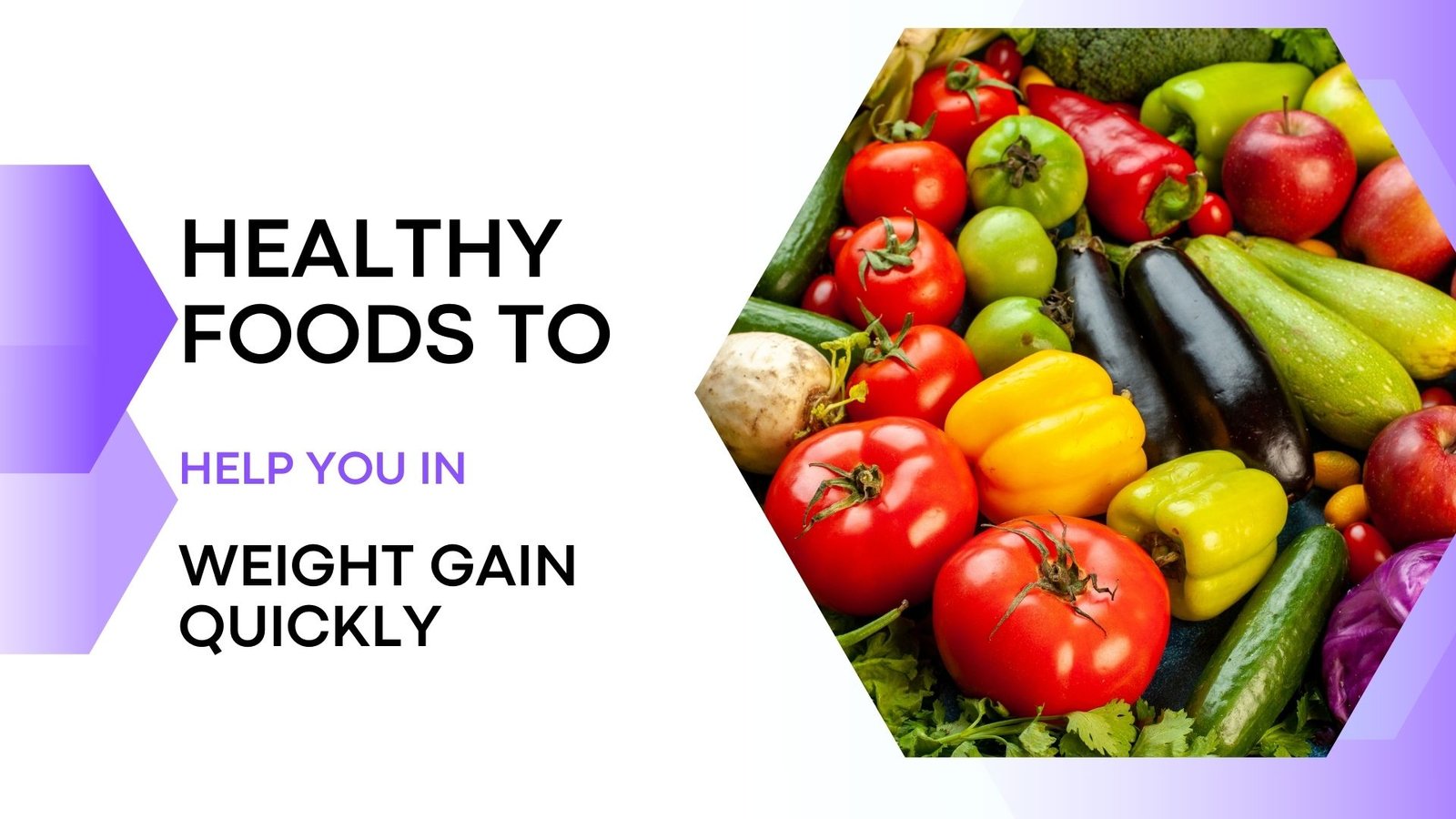
For many people, gaining weight can be just as challenging as losing it. While the conversation around health often focuses on weight loss, healthy weight gain is equally important—especially for underweight individuals, recovering from illness, having high metabolism, or struggling with poor appetite.
The key is not eating junk food or overeating mindlessly, but choosing nutrient-dense foods that support muscle development, energy levels, and overall well-being.
This article explains the causes of slow weight gain and provides practical meal ideas for breakfast, lunch, snacks, and dinner to help you gain weight healthily and sustainably.
Causes for Less or Slow Weight Gain
Before making dietary changes, it’s important to understand why weight gain may be slow or difficult. Several factors can influence body weight, and not all of them are within our immediate control.
Some common causes include:
- Genetics: Some people naturally have a fast metabolism, making it harder to store calories.
- Low calorie intake: Eating too little or skipping meals can prevent the body from reaching a calorie surplus.
- Poor food quality: Diets low in protein, healthy fats, and complex carbohydrates may lack the nutrients needed for weight gain.
- Digestive or medical issues: Conditions such as thyroid disorders, malabsorption, or chronic infections can affect appetite and nutrient absorption.
- High physical activity: Physically demanding jobs or excessive exercise may burn more calories than consumed.
- Stress and lifestyle habits: Irregular sleep, anxiety, or substance use can suppress appetite.
Understanding the cause helps you approach weight gain with realistic expectations and healthier strategies.
High-Calorie Healthy Foods to Gain Weight – Breakfast Edition
Breakfast sets the tone for the day and is a great opportunity to add calories without feeling overly full. A balanced breakfast rich in carbohydrates, protein, and healthy fats supports steady weight gain.
Some effective breakfast options include:
- Whole-grain dosa or chilla with ghee: Lentil-based dosas like moong dal or pesarattu provide protein, while ghee adds healthy fats.
- Paneer paratha with curd: A calorie-dense and protein-rich option that supports muscle development.
- Poha with peanuts and vegetables: Beaten rice cooked with peanuts, potatoes, and oil offers complex carbs and energy.
- Upma made with vegetables and nuts: Semolina-based dishes are easy to digest and calorie-rich.
- Banana smoothie with full-fat milk and nuts: A quick, nutrient-packed meal ideal for those with low appetite.
- Multigrain porridge or sattu drink: Provides sustained energy and supports gradual weight gain.
Starting your day with a substantial breakfast helps you meet daily calorie goals more easily.
Protein-Rich Foods for Fast Weight Gain – Lunch Edition
Lunch should be a balanced meal that fuels your body for the rest of the day. Protein is essential for tissue repair and muscle growth, making it a crucial part of healthy weight gain.
Ideal lunch combinations include:
- Chapati with ghee, dal, vegetables, and curd: A complete meal providing carbohydrates, protein, and fats.
- Rice with dal, poriyal, and curd: Easy to digest and calorie-rich, especially when cooked with oil or ghee.
- Stuffed parathas: Options like paneer, potato, or dal paratha paired with raita boost calorie intake.
- Vegetable pulao with tofu or paneer: Adding protein sources increases the nutritional value.
- Legumes like rajma, chole, and green gram: Rich in plant protein and complex carbohydrates; soaking and proper cooking improve digestion.
- Starchy vegetables: Potatoes, sweet potatoes, yams, and arbi help increase calorie density.
Consistent, balanced lunches play a major role in supporting sustainable weight gain.
Healthy Snacks to Help Gain Weight Fast
Snacks are an easy way to add extra calories between meals without overwhelming your appetite. Choosing the right snacks can significantly support weight gain.
Healthy snack ideas include:
- Fruit-based milkshakes: Banana, mango, or avocado blended with milk and nuts.
- Nut butter sandwiches: Whole-grain bread with peanut or almond butter.
- Sattu porridge or drink: High in protein and easy to consume.
- Dahi chaat: Yogurt combined with boiled potatoes or legumes.
- Smoothies with seeds and nuts: Add flaxseeds, chia seeds, or dates for extra calories.
- Boiled bananas with ghee: A traditional, calorie-dense option.
- Sprouts salad with buttermilk: Light yet nutritious.
Regular snacking ensures a steady calorie surplus, which is essential for weight gain.
Best Veggies for Weight Gain
The list of best veggies for gaining weight are given below:
- Potatoes – High in carbohydrates and calories, potatoes support healthy and steady weight gain
- Sweet potatoes – Rich in complex carbs, fiber, and vitamins, ideal for energy and muscle growth
- Avocados – Packed with healthy fats and calories, great for boosting daily calorie intake
- Corn – A calorie-dense vegetable that provides carbs and energy
- Green peas – Contain protein and carbs, helping support muscle and weight gain
- Beetroot – Improves appetite and adds natural sugars and nutrients
- Carrots – Rich in natural sugars and vitamins, supporting healthy calorie intake
- Pumpkin – Offers carbs and minerals that help with gradual weight gain
- Beans (kidney beans, black beans) – High in protein, fiber, and calories for healthy weight gain
Quick Weight Gain With Nutrient-Dense Foods – Dinner Edition
Dinner should be nourishing but not overly heavy, supporting recovery and muscle repair overnight. Nutrient-dense meals help maintain consistent weight gain without digestive discomfort.
Some healthy dinner ideas include:
- Chapati or rice with vegetable curry and protein: Add paneer, tofu, eggs, or lean meat.
- Meat or fish curry with rice: Provides high-quality protein and healthy fats.
- Light tiffin-style meals: Idli, dosa, or upma with added ghee or chutney.
- Khichdi with vegetables and ghee: Comforting and easy to digest.
- Warm milk with a banana before bed: Supports calorie intake and sleep quality.
A well-balanced dinner completes your daily nutritional intake and supports healthy weight gain.
Conclusion
Diet alone is not enough. Lifestyle habits play a critical role in how your body responds to increased calorie intake.
- Eat frequent meals instead of three large ones.
- Increase portion sizes gradually.
- Include strength or resistance training to promote muscle gain.
- Aim for adequate sleep and stress management.
- Stay consistent rather than seeking quick, unhealthy fixes.
Remember, some fat gain is natural and necessary during the weight gain process.
For more information, read the following articles:
1. A Full Guide on Underweight Child Diet Plan
2. A Complete Guide on Baby Weight Chart By Month
3. Top 5 Super Foods To Increase Breastfeeding
FAQs
How long does it take to see results from a weight gain diet?
Healthy weight gain typically takes a few weeks to months, depending on calorie intake, metabolism, and activity level.
Can I gain weight without eating junk food?
Yes, whole foods like grains, dairy, nuts, legumes, and healthy fats support sustainable weight gain without harming health.
Is exercise necessary for weight gain?
Yes, strength training helps convert extra calories into muscle rather than excess fat.
How many calories should I eat daily for weight gain?
Most people need a surplus of 300–500 calories per day, but this varies by individual.
Should I consult a doctor before trying to gain weight?
Yes, unexplained weight issues may be linked to hormonal or medical conditions that require professional guidance.
