
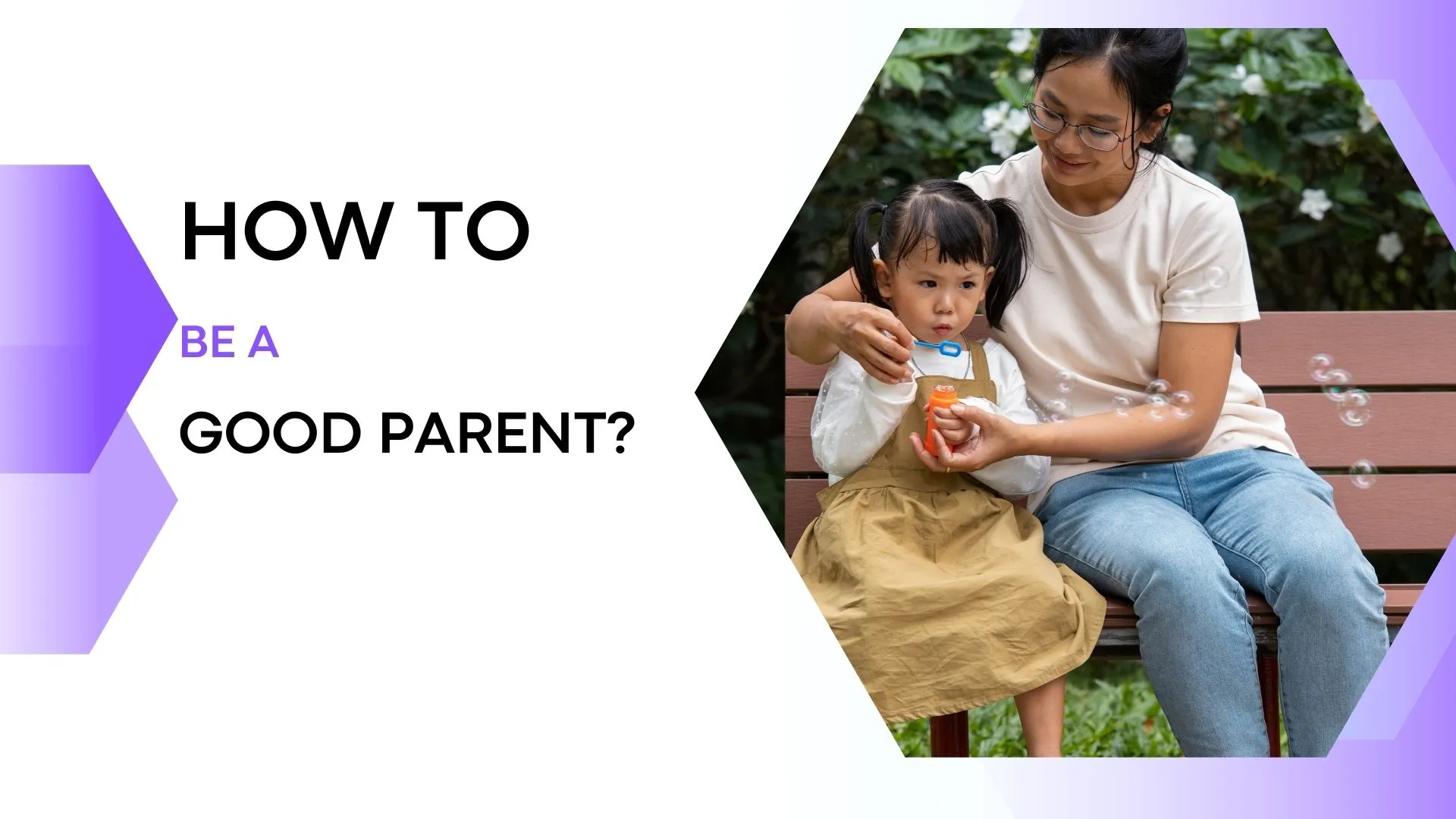
Every parent wants the same thing—to raise a happy, healthy, and confident child. But with so much advice available, many parents often wonder how to be a good parent in real life, not just in theory.
The truth is, good parenting doesn’t mean being perfect. It means being present, patient, and willing to grow along with your child. This guide will help you understand how to be a good parent through simple habits, emotional connection, and everyday actions that truly matter.
What Does It Mean to Be a Good Parent?
Being a good parent is about meeting your child’s physical, emotional, and mental needs while guiding them with love and consistency. It’s not about strict rules or constant praise—it’s about balance.
When parents focus on how to be a good parent, they focus on:
- Building trust
- Teaching values
- Encouraging independence
- Providing emotional safety
Children raised in such environments grow into confident and emotionally strong adults.
1. Build a Strong Emotional Connection
One of the most important answers to how to be a good parent is emotional availability.
Children need to feel heard and understood. When you listen without judging, your child feels safe sharing thoughts and feelings.
How to strengthen emotional bonding:
- Spend daily one-on-one time
- Listen actively without interrupting
- Validate emotions (“I understand you’re upset”)
- Be affectionate with words and actions
A strong emotional bond builds trust that lasts a lifetime.
2. Communicate With Love and Respect
Good parenting starts with good communication. If you’re learning how to be a good parent, focus on how you speak, not just what you say.
Healthy communication habits:
- Use calm and positive language
- Avoid shouting or shaming
- Ask open-ended questions
- Encourage children to express opinions
Respectful communication helps children develop confidence and emotional intelligence.
3. Set Boundaries With Consistency
Children feel secure when they know what’s expected of them. Clear rules and routines are essential for parents trying to understand how to be a good parent.
Boundaries are not about control—they are about guidance.
Tips for setting boundaries:
- Keep rules age-appropriate
- Explain the reasons behind the rules
- Be consistent with consequences
- Avoid harsh punishment
When boundaries are loving and consistent, children learn responsibility and self-control.
4. Encourage Healthy Daily Habits
A big part of how to be a good parent is supporting your child’s physical well-being.
Healthy habits to focus on:
- Balanced nutrition
- Regular sleep routines
- Daily physical activity
- Limited screen time
- Proper hygiene
Healthy bodies support healthy minds, helping children stay focused and emotionally balanced.
5. Teach by Example
Children learn more from what parents do than what they say. Modeling good behavior is one of the strongest lessons in how to be a good parent.
If you want your child to be:
- Kind → show kindness
- Honest → practice honesty
- Calm → manage your emotions
Your daily actions shape your child’s values and habits more than instructions ever can.
6. Support Emotional and Social Development
Helping children understand emotions is key to learning how to be a good parent.
Teach children that all emotions are normal and manageable.
Ways to support emotional growth:
- Name emotions
- Teach coping strategies like deep breathing
- Encourage empathy
- Praise effort, not just success
Emotionally supported children handle stress better and build healthier relationships.
7. Allow Independence and Decision-Making
Good parenting doesn’t mean doing everything for your child. Parents exploring how to be a good parent should gradually encourage independence.
Simple ways to build independence:
- Let kids choose clothes
- Assign age-appropriate chores
- Encourage problem-solving
- Support trying new activities
Independence builds confidence and resilience.
8. Take Care of Yourself as a Parent
An often-overlooked part of how to be a good parent is self-care. A tired, stressed parent struggles to stay patient and calm.
Self-care tips for parents:
- Get enough rest
- Eat well
- Ask for help when needed
- Take short breaks
A healthy parent creates a healthier home environment.
Conclusion
If you’re asking how to be a good parent, you’re already taking the first step. Good parenting is not about perfection—it’s about showing up every day with love, patience, and intention.
Small, consistent efforts make a big difference in your child’s life.
To make parenting easier, KidsCur supports parents with expert-backed guidance, vaccination reminders, growth tracking, nutrition tips, and developmental milestones—all in one trusted app.
FAQs
1. What are the most important qualities of a good parent?
Love, patience, consistency, emotional availability, and good communication are key qualities of a good parent.
2. How can first-time parents learn how to be good parents?
First-time parents can learn by observing their child, seeking expert guidance, staying consistent, and using trusted parenting resources or apps.
3. Is discipline important when learning how to be a good parent?
Yes, discipline is important, but it should be positive and respectful, focusing on teaching rather than punishment.
4. How does emotional support help children grow?
Emotional support builds confidence, emotional intelligence, and resilience, helping children handle challenges better.
5. Can parenting apps help parents become better parents?
Yes, parenting apps like KidsCur provide reliable guidance, reminders, and tracking tools that support informed and confident parenting.
